
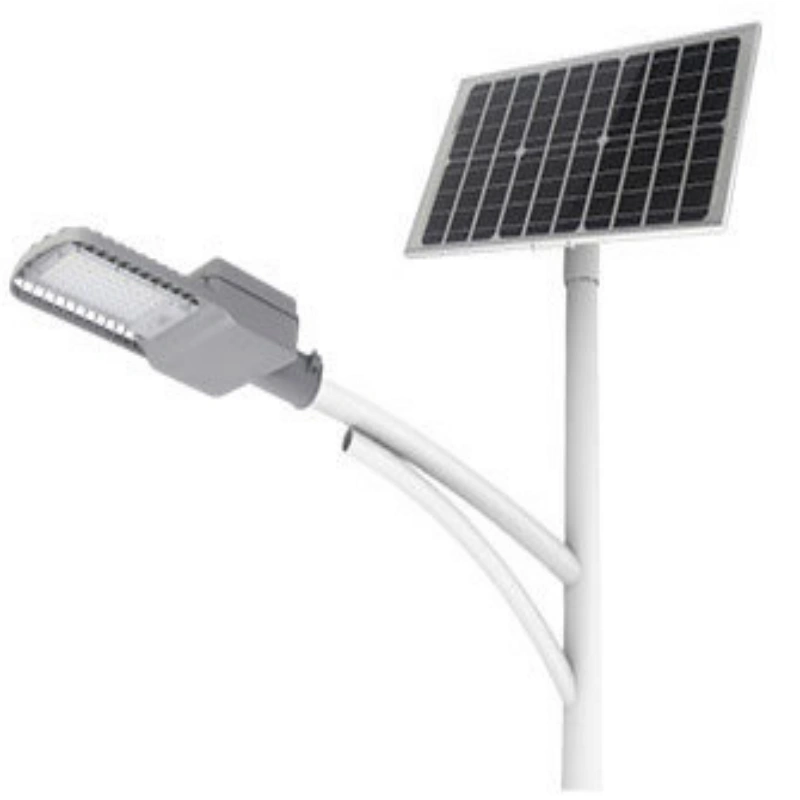
The Middle East presents one of the most demanding environments for outdoor infrastructure. Choosing the right solar street lamps for regions like Saudi Arabia, the UAE, or Oman requires more than just high-lumen output; it demands specialized engineering to survive extreme heat, relentless sandstorms, and shifting terrain.
1. Advanced Dust and Sand Management
In the desert, dust is the primary enemy of solar efficiency. Accumulated sand can reduce a panel’s output by up to 50% within weeks.
- Self-Cleaning Technology: Prioritize units with integrated robotic brushes. These systems automatically clear sand and dust daily, ensuring maximum energy harvest without manual labor.
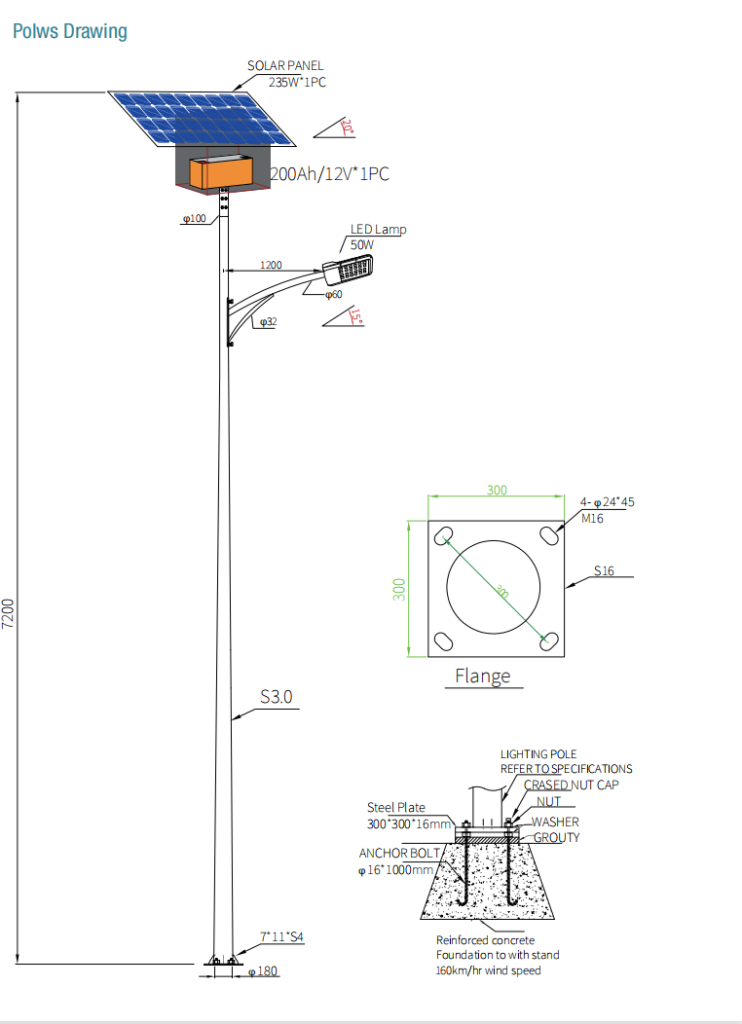
- Aerodynamic Design: Look for sleek, integrated housings that lack crevices where sand can settle. Angled solar panel mounts (typically 15° to 35°) allow loose sand to slide off naturally.
- IP65+ Protection: Ensure a high Ingress Protection rating (at least IP65 or IP66) to prevent fine sand particles from penetrating sensitive electronics.
2. Thermal Resilience for Extreme Heat
Standard components often fail when ambient temperatures exceed 50°C.
- Battery Chemistry: Avoid lead-acid batteries, which degrade rapidly in heat. Opt for Lithium Iron Phosphate (LiFePO4) batteries; they are thermally stable and can operate reliably in environments above 50°C for up to 8 years.
- Heat Dissipation: Select lamps with die-cast aluminum alloy bodies. These act as massive heat sinks, protecting LEDs and controllers from overheating.
3. Stability in Sandy Soil Installation
Installing heavy poles in shifting desert sand requires specific structural considerations to prevent tilting or collapse.
- Deep Foundations: Concrete bases must be planted significantly deeper than in standard soil. For sandy areas, reinforced concrete foundations are essential to withstand “Shamal” winds and sand drifts.
- Gravel Padding: In loose sand, padding the foundation with gravel can enhance stability and prevent settlement over time.
4. Smart Controls for Efficiency
Energy management is critical when sandstorms might reduce charging for several days.
- Adaptive Dimming: Integrated PIR motion sensors can dim lights to 30% during low-traffic hours (e.g., 2 AM) and boost to 100% when movement is detected, significantly extending battery life.
- IoT Monitoring: For large-scale projects, remote management allows you to track battery health and panel efficiency in real-time from a central dashboard.
Why Choose Our Solar Solutions?
Our solar street lamps are purpose-built for the Gulf region’s unique challenges. From self-cleaning panels that conquer the desert dust to high-capacity LiFePO4 batteries that thrive in 50°C+ heat, we provide the durability your project demands.
Ready to upgrade your infrastructure with certified desert-ready lighting?
Visit our website to explore our full range of solar street lamps and request a customized quote today.